5 Ways to Tell Your Balance Training Is Actually Improving (Beyond 'Feeling Steadier')
Quick Answer: Real balance improvement shows up as longer single-leg hold times, faster recovery from a stumble, better performance with eyes closed, and improved balance on unstable surfaces — track these specifically rather than relying on a vague ‘I feel steadier’ impression.
You’ve been doing balance exercises for weeks and you’re not sure if anything has actually changed, or if you’ve just gotten used to how the exercises feel.
Sign 1: Single-Leg Hold Time Increases
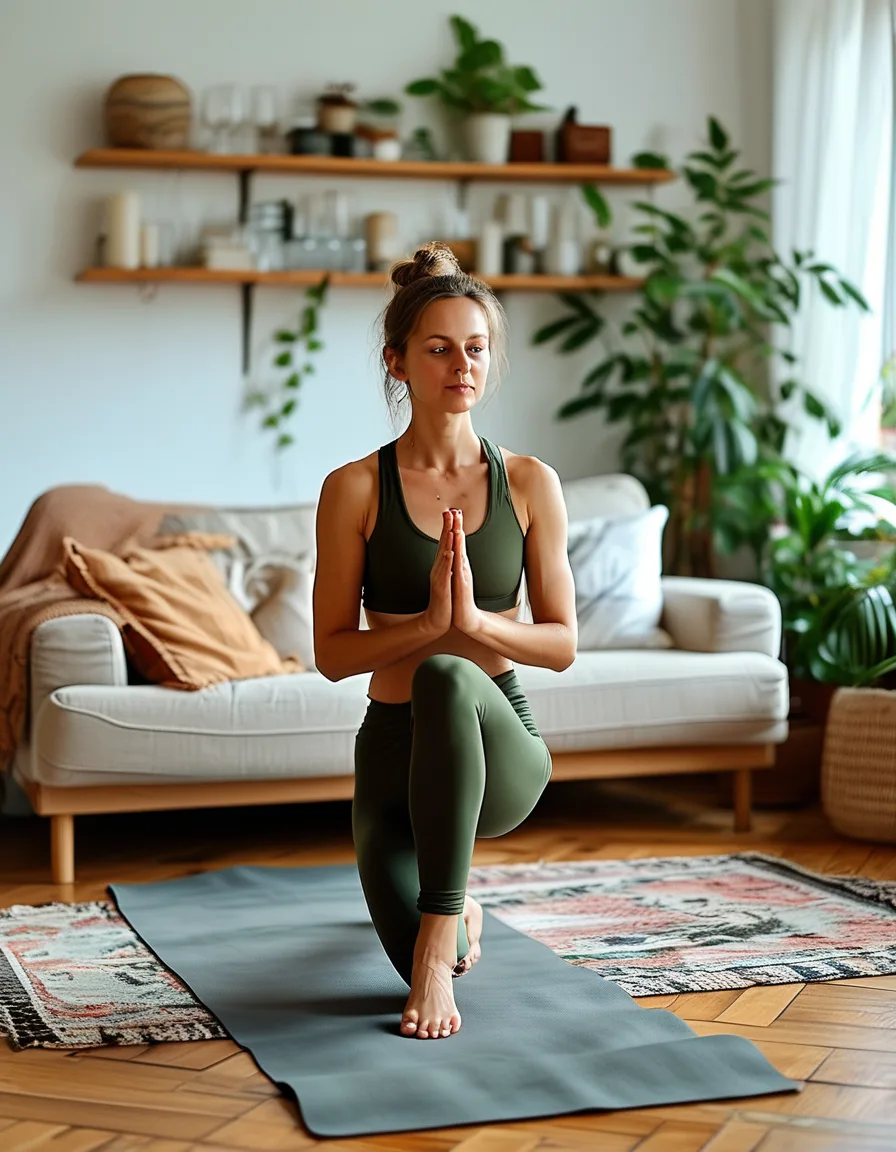
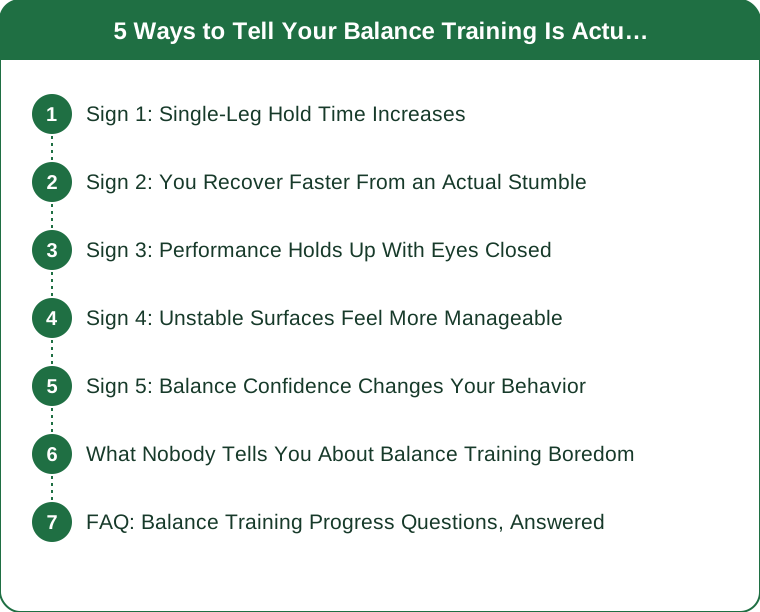
Time how long you can hold a single-leg stance (eyes open, hands free) at the start of your program and retest every 2 weeks. An increase from 15 seconds to 45+ seconds over 6-8 weeks is a clear, measurable sign of real improvement, not just familiarity with the test.
Sign 2: You Recover Faster From an Actual Stumble
Improved balance shows up most clearly in real-world moments — catching yourself on uneven sidewalk or a missed stair step. If these near-falls resolve in a quick, controlled correction rather than a full stumble or grab for support, that’s genuine functional improvement.
Sign 3: Performance Holds Up With Eyes Closed
Removing visual input forces your body to rely more on proprioception (joint position sense) and the vestibular system. If your eyes-closed single-leg hold time is closing the gap with your eyes-open time, your balance system is genuinely improving, not just compensating visually.
Sign 4: Unstable Surfaces Feel More Manageable
Testing balance on a pillow, folded towel, or balance pad (not just flat ground) reveals whether your improvement transfers to real-world uneven surfaces — grass, gravel, uneven pavement — where most actual balance challenges happen.
Sign 5: Balance Confidence Changes Your Behavior
A subtle but real sign: you start doing things you previously avoided out of balance uncertainty — reaching for a high shelf while standing on one foot, stepping over an obstacle without pausing first. This behavioral shift usually reflects real underlying improvement, not just confidence outpacing ability.
What Nobody Tells You About Balance Training Boredom
Balance training often feels unproductive because visible progress is slow and internal, unlike lifting heavier weights or running farther. Tracking the concrete numbers above — not just how a session feels — is what keeps most people motivated through the less obviously rewarding early weeks.
FAQ: Balance Training Progress Questions, Answered
How often should I test single-leg hold time?
Every 2 weeks is frequent enough to see a trend without over-testing — daily testing can create noise from day-to-day fatigue variation that obscures the real trend.
Is it normal for balance to be very different left vs right side?
Some asymmetry is common, but a large, persistent gap (more than roughly 30-40% difference in hold time) is worth mentioning to a physical therapist, since it can indicate an underlying issue worth addressing directly.
How long before balance training shows real results?
Most people see measurable single-leg hold time improvement within 4-6 weeks of consistent practice 2-3 times per week.
TL;DR:
- Track single-leg hold time every 2 weeks instead of guessing at progress
- Real improvement shows in faster stumble recovery and better eyes-closed performance
- Test on unstable surfaces to check real-world transfer
- Notice behavioral changes — doing things you used to avoid is a genuine sign
Balance training progress is easy to underestimate because it’s quiet and internal — measure it with a stopwatch and a few specific tests instead of relying on how confident a session felt.
Keep Reading
This article is for general informational purposes only and is not medical advice. Always consult a qualified health professional for guidance specific to you.